Script fonts are the most loved — and the most misused — fonts in design. Used well, they make a wedding invitation feel romantic, a café feel warm and a beauty brand feel personal. Used badly, they turn a menu into a puzzle. This guide brings together everything we have learned drawing script fonts in our studio in Malang: what they are, which kind to choose, how to pair them and how to keep them readable.
What is a script font?
A script font imitates handwriting made with a pen, brush or marker. Its letters flow, often connect, and carry the rhythm of a real hand. That movement is why scripts feel human — and why they need more care than a simple sans serif.
The main types of script fonts
Calligraphy scripts
Elegant contrast between thick and thin strokes, inspired by pointed-pen lettering. Perfect for weddings, beauty brands and formal invitations.
Signature scripts
Quick, natural strokes that look like a real signature. Ideal for personal brands, photographers and founders’ names. We cover them in depth in our signature fonts guide.
Brush scripts
Textured, energetic strokes made with a brush. Great for food, sport, merch and social media headlines.
Monoline scripts
Even stroke thickness, like a fine-tip pen. Clean and modern, and usually easier to read at small sizes.
Marker and casual scripts
Relaxed, friendly letters that feel like a handwritten note. Popular with cafés, kids’ brands and small shops.
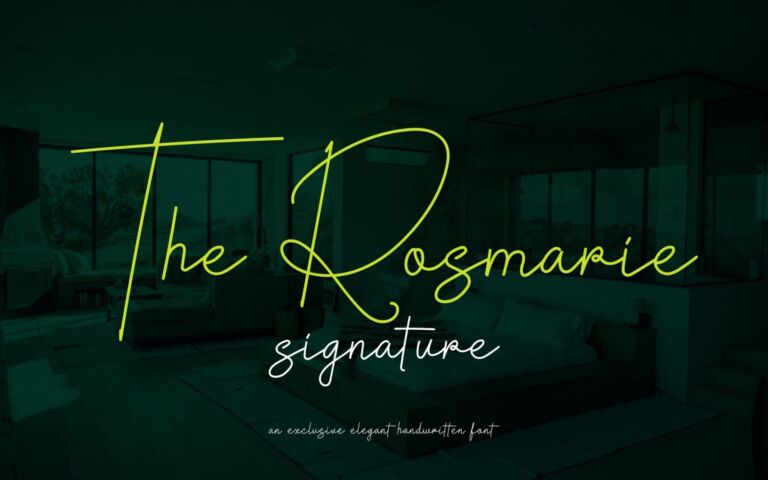 The Rosmarie SignatureA Beautiful Handwritten Typeface
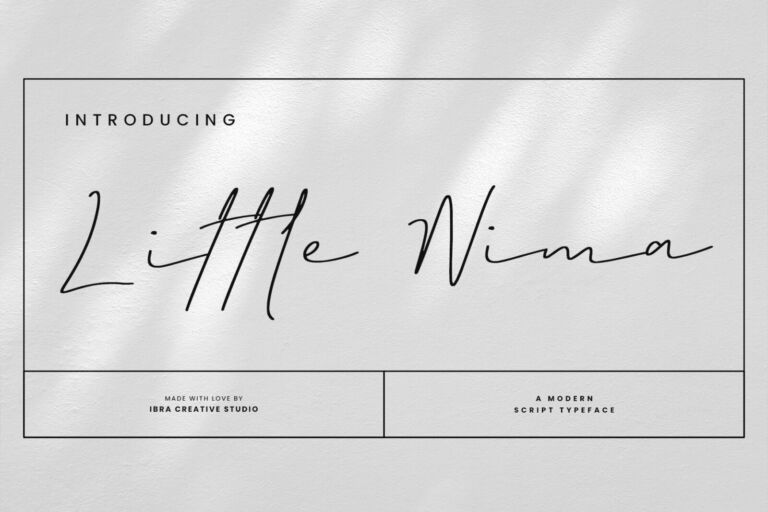 Little NimaA Modern Script Typeface
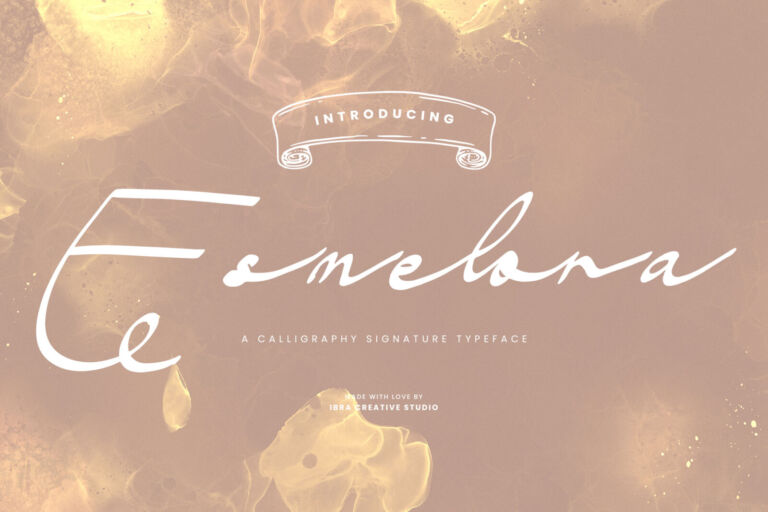 EsmeloraA Calligraphy Signature Typeface
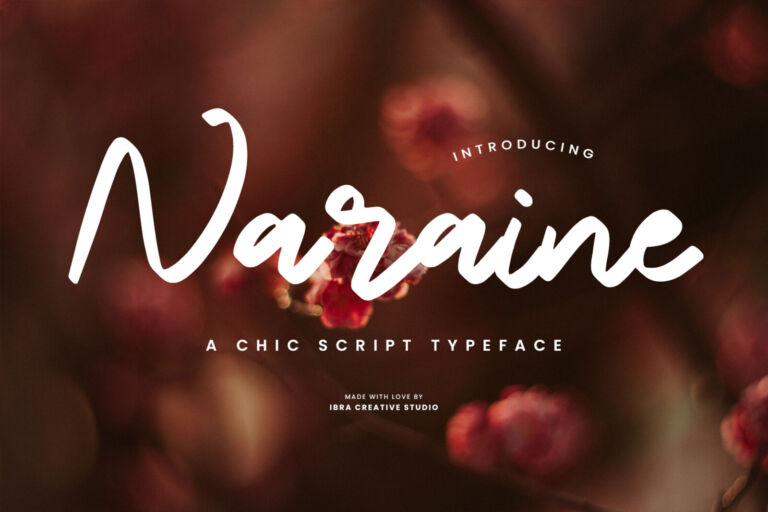 NaraineA Chic Script Typeface
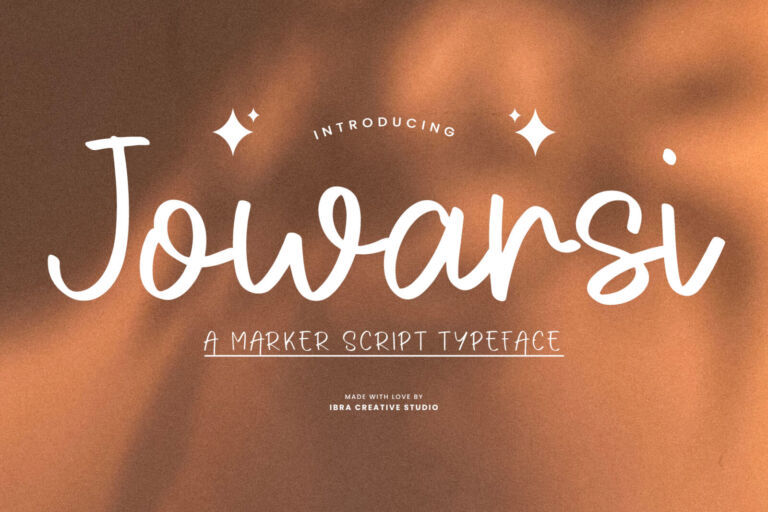 JowarsiA Marker Script Typeface
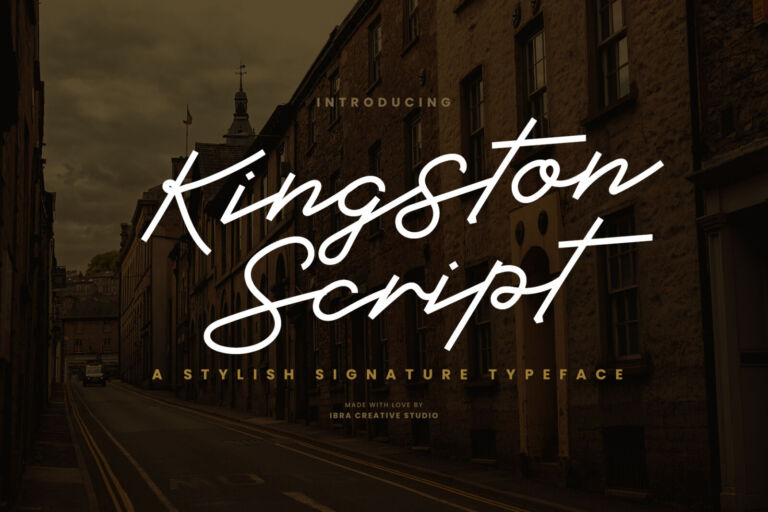 Kingston ScriptA Stylish Signature Typeface
Try scripts with your own words
Every script behaves differently with different letters. Type your own name or brand below and switch to “phone size” to see how it reads on a small screen.
-
Your Brand
-
Your Brand
-
Your Brand
-
Your Brand
-
Your Brand
Where script fonts work best
- Wedding invitations and stationery — names in a script, details in a serif. See our wedding invitation font guide.
- Beauty, skincare and fashion — one script word next to a refined serif. See fonts for beauty brands.
- Cafés, bakeries and food packaging — warm marker or brush scripts for names and specials. See fonts for cafés and bakeries.
- Social media headlines — a short script word over a photo grabs attention in a feed.
- Greeting cards, merch and quotes — scripts give short phrases emotion.
Seven rules for readable scripts
- Keep it short: one to five words.
- Never set a script in all capitals — script capitals are designed to start words, not fill them.
- Give it space: loops and tails need room above and below.
- Pair it with a calm serif or sans for everything people need to read.
- Check it at phone size and from a distance.
- Use dark text on a light background (or the reverse) — avoid busy photos behind thin scripts.
- Try alternate letters to fix awkward connections in your words.
Want a practical test? Our script readability test walks you through it in two minutes.
Common script font mistakes
- Long sentences in a script. Readers give up after a few words. Move the sentence to the partner font and keep one key word in the script.
- Two scripts in one design. They compete for attention and both lose. One script per design is the rule.
- Script on a busy photo. Thin strokes disappear. Add a soft overlay behind the text or move it to a calm area.
- Too small on print. A script that looks fine on screen can be unreadable on a 9 cm business card. Print a test.
- Wrong tool, wrong result. Some apps don’t show alternate letters or ligatures. Check that your design app supports them before you commit.
Script fonts in apps people actually use
All our scripts come as OTF and TTF files that work in Canva (Pro or Teams), Photoshop, Illustrator, Procreate, Cricut Design Space, Microsoft Word and Keynote. Alternate letters are easiest to reach in Illustrator and Photoshop through the Glyphs panel; in Canva and Word, use the standard letters or copy alternates from a character map. Our installation guide covers Mac, Windows, iPhone and Canva step by step.
Choosing a script in three questions
- How formal is the project? Formal → calligraphy. Relaxed → marker or casual. Personal → signature.
- How small will it appear? Small or on screens → monoline or a script with sturdy strokes. Large only → anything goes.
- What will sit next to it? Choose the partner font at the same time, so the two share a mood.
How to pair a script font
A script is the star; its partner is the supporting actor. Choose a thin serif for romantic and luxury projects, a clean sans for modern brands, and a rounded sans for playful ones. Our font pairing guide shows seven combinations that always work.
Licensing script fonts
Using a script for your own invitation is personal use and free on most of our fonts. Social posts, menus, flyers and client work need the Desktop License; a script in your logo needs the Logo License. Read font licenses explained in plain English for every case.
All our script guides
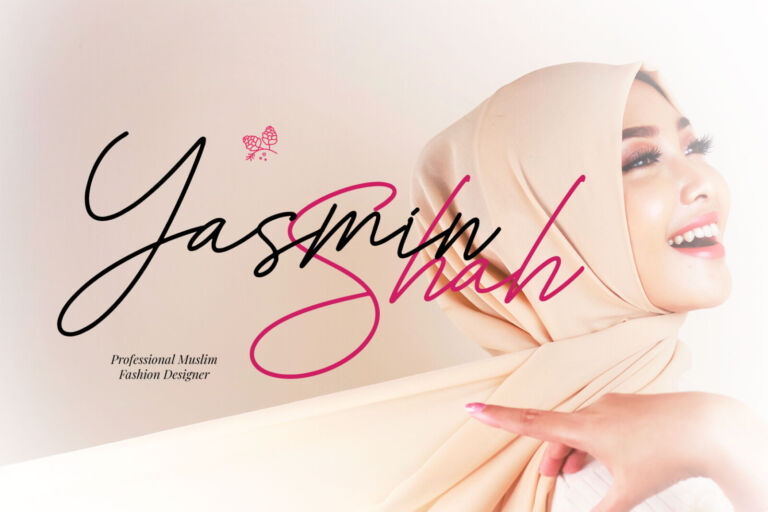
Wedding Invitation Fonts: Script and Serif Pairings for Every Style
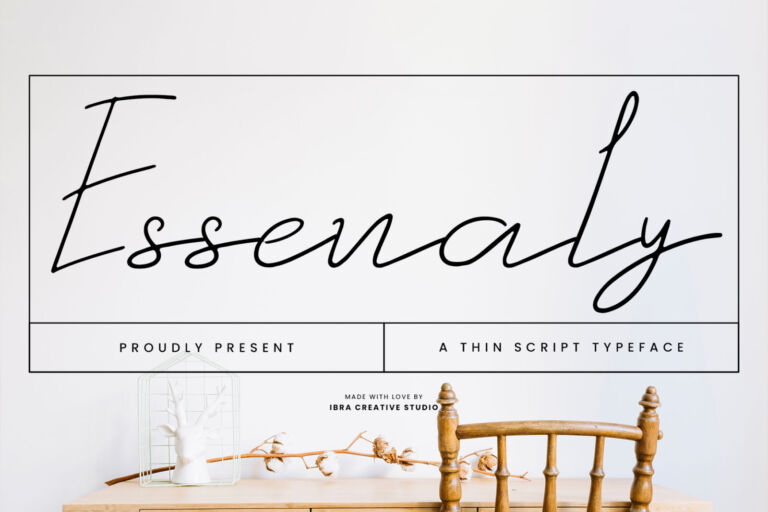
Beautiful but Unreadable? How to Choose a Script Font People Can Actually Read
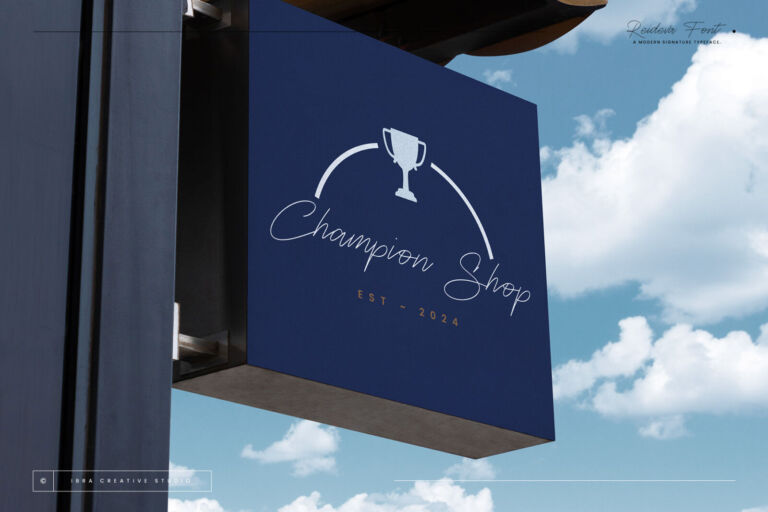
How to Use a Signature Font for Your Personal Brand (Without Looking Generic)
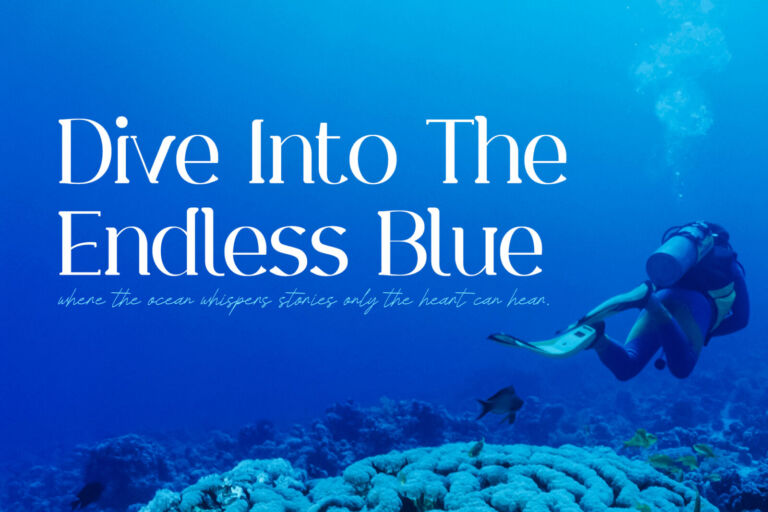
Font Pairing Made Easy: 7 Combinations That Always Work
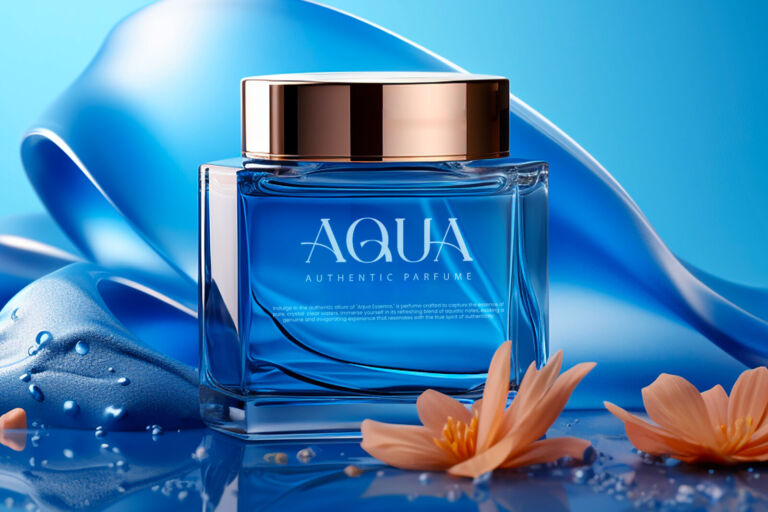
The Best Fonts for Beauty, Skincare and Aesthetic Clinic Brands in 2026
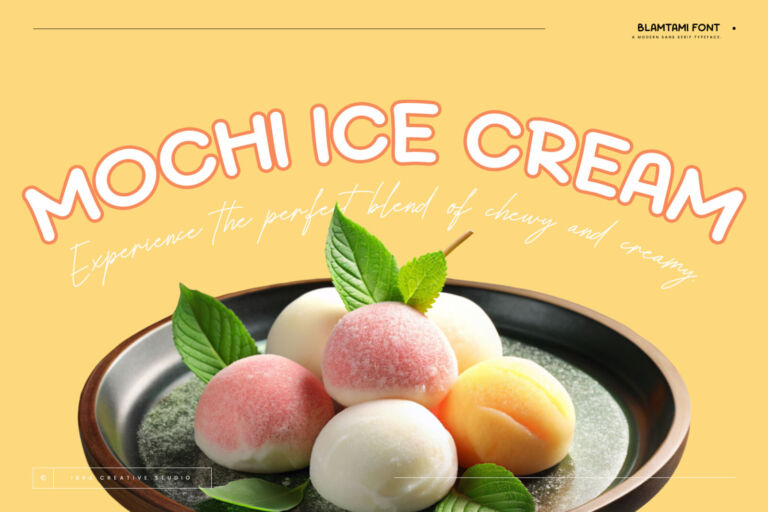
Cute & Cosy: Fonts for Cafés, Bakeries and Dessert Brands
Ready to browse? See all script fonts, or narrow it down to signature fonts and handwritten fonts.
Frequently asked questions
What is a script font?
A script font imitates flowing handwriting or calligraphy, with letters that often join together. It is used for names, headlines and short phrases rather than long text.
What are script fonts used for?
Wedding invitations, beauty and fashion brands, café menus and packaging, greeting cards, merch and social media headlines.
What is the difference between a script and a signature font?
A signature font is a type of script that looks like a quick, real signature. Other scripts can be formal calligraphy, brush lettering or neat monoline handwriting.
What font goes well with a script font?
A thin serif for romantic or luxury designs, a clean sans for modern brands, or a rounded sans for playful ones. Let the script be the only decorative font.
Can I use a script font for my business?
Yes, with a paid license: the Desktop License for marketing and client work, the Logo License if the script is part of your logo.